

Why Does My Boiler Keep Losing Pressure?
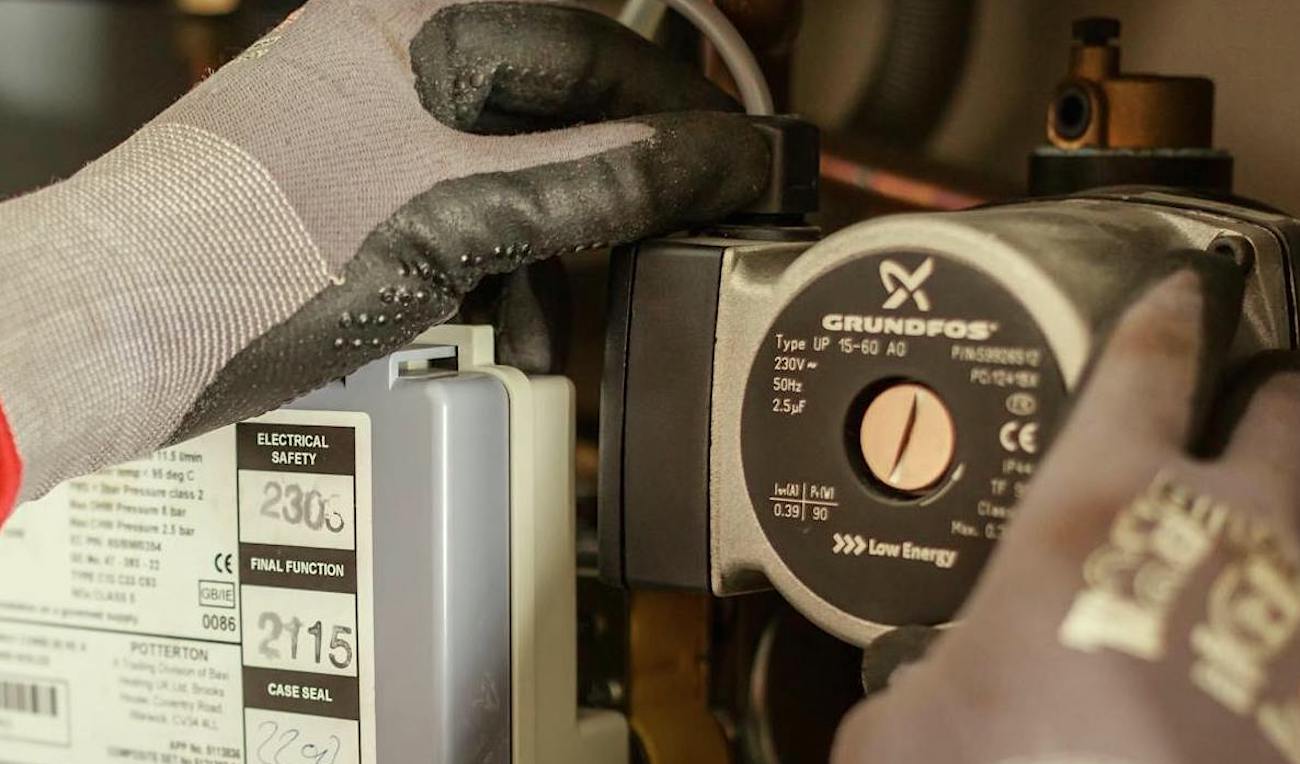
If you keep having to top up your boiler pressure, something is letting water out of the system. Most of the time the cause is simple to find, but topping up again and again only hides it, and some causes need a Gas Safe engineer to put right.
This guide explains what normal boiler pressure looks like, the usual reasons it drops, what you can safely check yourself, and when to call someone out. It is written by SCS Plumbing & Heating, Gas Safe registered engineers (number 636250) who repair boilers across Colchester and Essex.
In this article
- What should my boiler pressure be?
- Why does a boiler keep losing pressure?
- What can you safely check yourself?
- When should you call a Gas Safe engineer?
- What does a boiler pressure repair involve?
- Can an annual service stop pressure problems?
- Need help with your boiler pressure?
- Frequently asked questions
What should my boiler pressure be?
Most combi and system boilers run at around 1 to 1.5 bar when the heating is off and the system is cold. The needle usually rises a little when the heating is on, often to around 2 bar, and settles back when it cools. Your boiler manual will give the exact range for your model, and many gauges have a green zone marked on them.
A reading below 1 bar is low. Many boilers will lock out and show a fault code once pressure drops too far, which is often the first sign people notice.
Why does a boiler keep losing pressure?
A sealed heating system should hold its pressure for months at a time. If it keeps falling, water is getting out or the system cannot cope with it expanding as it heats up. These are the causes we find most often in Colchester homes.
| Cause | What you might notice | Can you check it yourself? |
|---|---|---|
| A leak on a radiator, valve or pipe joint | Damp patches, staining, a drip under a radiator valve or rusty marks on pipework | Yes, you can look for signs of water around visible pipes and radiators |
| Radiators have recently been bled | Pressure dropped straight after bleeding and has stayed steady since | Yes, this is normal and just needs a top up |
| Faulty pressure relief valve | A small copper pipe outside the house that drips or leaves a wet patch | You can look at the pipe, but the valve must be replaced by an engineer |
| Failed expansion vessel | Pressure climbs high when the heating is on, then drops well below 1 bar when it cools | You can watch the gauge, but the fix needs an engineer |
| A leak inside the boiler | Water inside or under the boiler casing | No. Do not open the casing. Call a Gas Safe engineer |
What can you safely check yourself?
- Note the reading. Check the gauge when the heating is off and cold, and again an hour after it has been on. Write both down.
- Look for water. Check around radiators, radiator valves, towel rails and any pipework you can see, including under sinks and in the airing cupboard.
- Check the pipe outside. Find the small copper pipe that runs from the boiler through the outside wall. If it is dripping or the ground under it is wet, the pressure relief valve may be letting water out.
- Top up if you know how. Most boilers have a filling loop or key. Follow the instructions in your boiler manual, bring the pressure back to the level it recommends, then close the valves fully.
Never remove the boiler casing or try to repair anything inside it. Work on a gas boiler must be done by a Gas Safe registered engineer.
When should you call a Gas Safe engineer?
Call an engineer if any of these apply:
- You have had to top up the pressure more than once or twice in a few weeks
- The pressure goes above 3 bar, or swings from high to low as the heating comes on and off
- The pipe outside is dripping
- You can see water inside or under the boiler
- The boiler keeps locking out with a fault code even after a top up
A slow leak rarely fixes itself, and running a boiler at low pressure over and over can wear parts faster. Our boiler repairs service in Colchester finds where the water is going and fixes it, rather than repressurising and leaving.
What does a boiler pressure repair involve?
Our engineer will check the pressure, the expansion vessel charge and the pressure relief valve, then trace any leak on the system. Once we know the cause, you get a fixed price before any work starts. We carry common parts on the van to cut down on return visits.
If your boiler is older and has needed several repairs, we will tell you honestly whether it is worth fixing. Our guide to what a new boiler costs in Colchester and our comparison of combi, system and heat-only boilers can help if you are weighing up a replacement.
Can an annual service stop pressure problems?
It helps. A yearly boiler service includes checks on seals, valves and the pressure in the system, so worn parts are more likely to be spotted before they start letting water out. It will not stop every leak on your radiators or pipework, but it catches a lot of the problems that cause pressure loss inside the boiler.
Need help with your boiler pressure?
If your boiler keeps losing pressure, call SCS Plumbing & Heating on 01206 912 900 or contact us to book a repair. Let us know the make of your boiler and the readings you have noted, and our engineer will come prepared. You can also read more about our boiler repairs across Colchester.
Want to see more from SCS Plumbing & Heating in Google? Add us as a preferred source and our guides are more likely to appear for you in Top Stories and Google’s AI results.
Frequently asked questions